Issue #79: defer Done Right, Instruments is Back, and WWDC Is One Week Away
Hey everyone! 👋
Welcome back. WWDC is seven days out, Apple dropped 36 Design Award finalists, Point-Free shipped a library that finally solves testing @Observable classes, SwiftLee made the case that your concurrency code needs a date with Instruments, and Majid reminded us all that defer is genuinely underrated. Let's get into it. 🚀
defer: Your Cleanup Crew
You probably know defer exists. You probably use it occasionally. Majid's latest piece makes the case that you're not using it enough, and shows the patterns where it really shines.
The most compelling example is HealthKit's observation API, which requires you to call a completion handler after you finish processing. With defer, you declare the cleanup right next to the setup, so it can't get lost in a branchy function:
for await handler in await health.observe(types: [...]) {
    defer { handler() }
    if handler.types.contains(HKQuantityType.heartRate) {
        await processHeartRate()
    }
}
No matter how many branches your logic grows, handler() always fires when the scope exits. The defer keyword is the right tool any time you acquire a lock, create a temporary resource, change some state that needs undoing, or receive a completion handler that must be called later.
 Majid Jabrayilov
Deprecating Your Own Convenience API (Gracefully)
This one from Majid two weeks ago is a keeper for teams supporting iOS 26 and 18 simultaneously. The pattern: write your compatibility shim for the old platform, then use @available with obsoleted: to mark it for future removal.
extension LabelStyle where Self == ToolbarLabelStyle {
    @available(iOS, obsoleted: 26, message: "You don't need .toolbar anymore")
    static var toolbar: Self { .init() }
}
When you bump your minimum target to iOS 26, the compiler flags every usage. When you eventually hit iOS 27 support, it becomes an error. You get staged deprecations with zero extra tooling, just the compiler working for you.
 Majid Jabrayilov
Instruments Is Your AI Code Reviewer
Antoine van der Lee (SwiftLee) dropped a timely reminder this week: agentic development quietly reintroduces the performance risks that faster devices had mostly papered over. AI-generated code can look perfectly correct and still perform terribly at runtime, and Xcode Instruments is exactly the tool to catch it.
The piece walks through the Swift Concurrency template specifically: how to read the thread pool utilization, spot unexpected suspension points, and understand when tasks are competing in ways the compiler can't see. If you've written off Instruments as something you only need when things are obviously broken, this is a good reread. The argument is that with agentic workflows, you should be running it proactively.
 Antoine van der Lee
Tanaschita: Animations and Keychain
Two more posts worth bookmarking from Tanaschita this fortnight.
SwiftUI animations basics (May 17): A clean reference piece covering withAnimation, implicit vs. explicit animations, and the .animation(_:value:) modifier. Great to forward to teammates who are still doing this from memory.
Keychain in iOS (May 25): A thorough guide to SecItemAdd, SecItemCopyMatching, and SecItemUpdate wrapped in a clean Swift interface. Covers access control flags and when to use kSecAttrAccessibleAfterFirstUnlock vs. the stricter options. With WWDC a week away and on-device AI storing more sensitive data, this is well-timed.

Point-Free: Testing @Observable Classes Just Got Fixed
Point-Free's DebugSnapshots graduated to public beta this week. The problem it solves: @Observable classes can't be meaningfully made Equatable, which has always made exhaustive state testing awkward. DebugSnapshots works around this with a macro:
@DebugSnapshot
@Observable
class CounterModel {
    var count = 0
}
The @DebugSnapshot macro generates a value-type snapshot of the class's data. You can then assert on how that state changes across operations — the same exhaustive "before and after" testing that was previously only practical with value types.
This is also the foundation for ComposableArchitecture 2.0's TestStore, which is still in beta but uses DebugSnapshots under the hood to eliminate the need for State: Equatable in tests.
Apple Design Award Finalists Are Out
With WWDC on June 8, Apple announced its 2026 Apple Design Awards finalists. 36 finalists are competing across six categories, with three apps and three games in each. Some titles appear in multiple categories, including Tide Guide: Charts & Tables, TR-49, and Sago Mini Jinja's Garden. MacRumors + 2
Juli Clover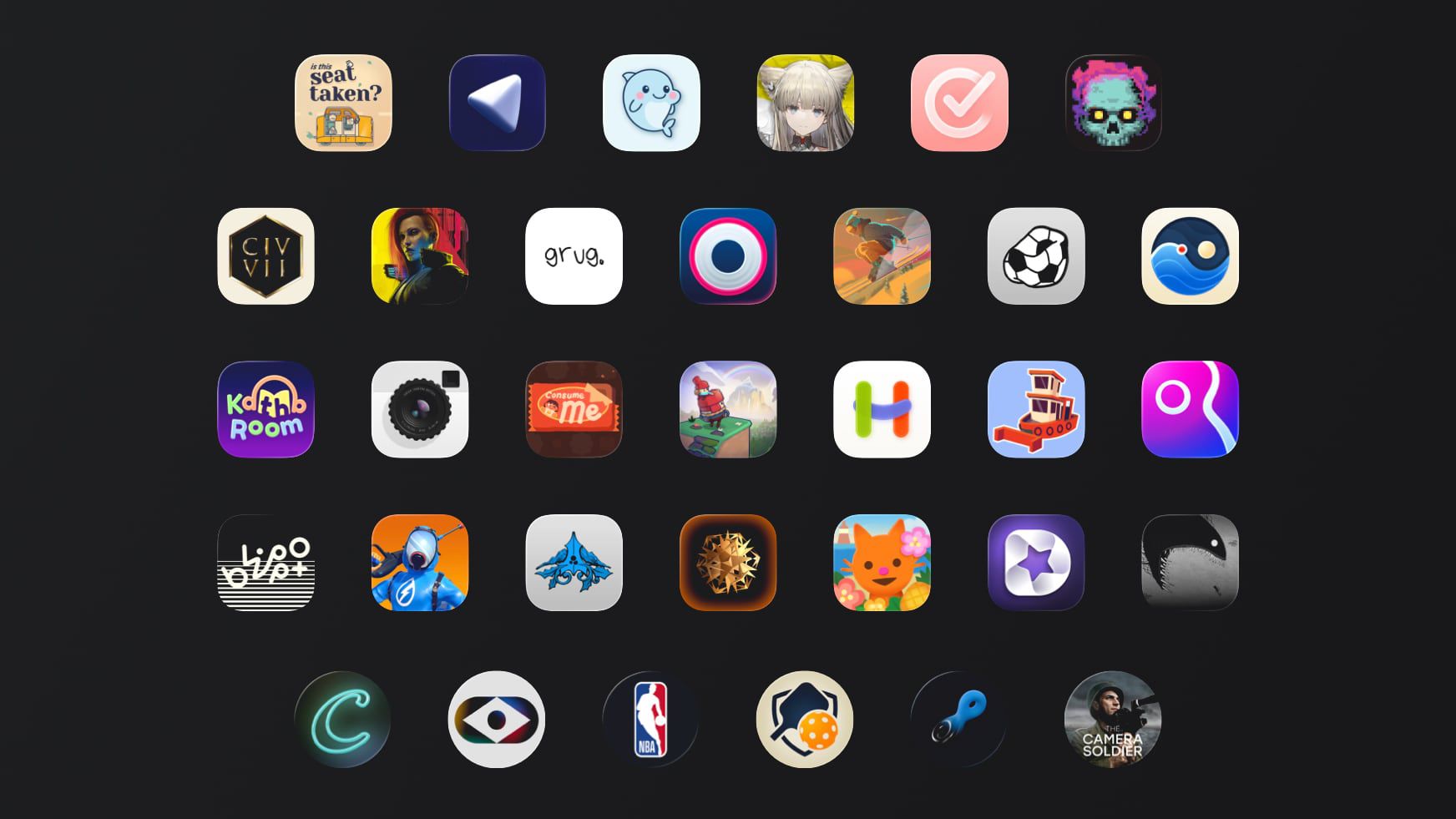
Triple-A titles like Cyberpunk 2077 and Civilization VII are among the games nominated. visionOS titles like Pickle Pro and D-Day: The Camera Soldier still have a chance of winning, despite Apple no longer having a dedicated Spatial Computing category. AppleInsiderTUAW
Paul Terpstra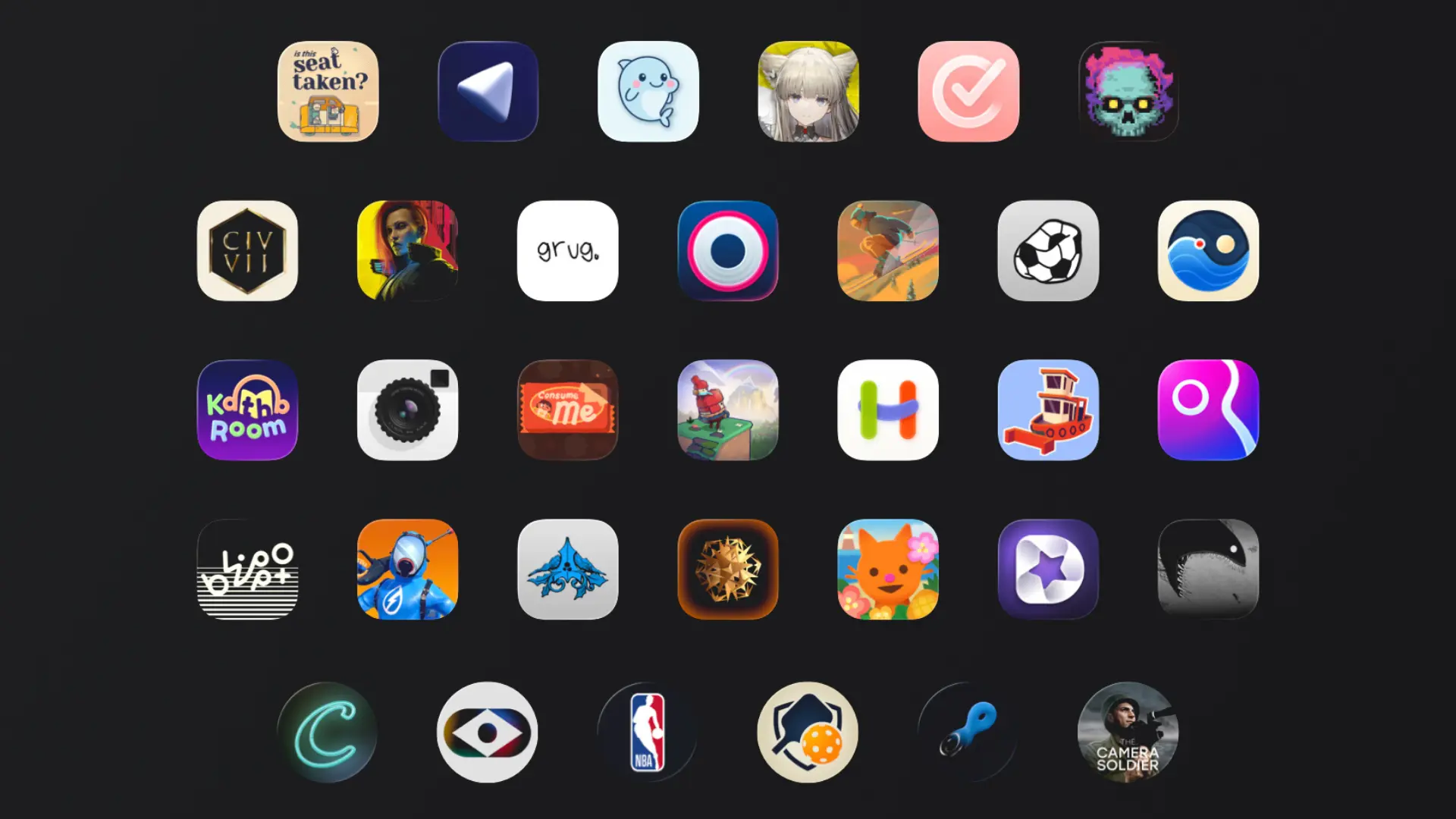
Winners will be announced during WWDC 2026, with each winning team receiving a physical award and hardware support for future development. Worth spending ten minutes browsing the finalists, there's good inspiration in there for how teams are using Apple technologies right now. The Mac Observer
One Week Out: WWDC 2026
June 8–12. Foundation Models 2.0, iOS 27, deeper Xcode agent integration. The community pregame content is ramping, Matt Massicotte published his WWDC watch list, Swiftjective-C dropped a pregame quiz, and the buzz around what Apple Intelligence's second year looks like is at a peak. Get your apps tested, your betas filed, and your conference playlist ready.
That's Issue #79! defer is underused, Instruments is essential again, and @Observable testing finally has a clean answer. See you on the other side of the keynote. 🚀
Member discussion